
Blog
Interior design for condominium associations' common areas – how design increases property value
Subscribe
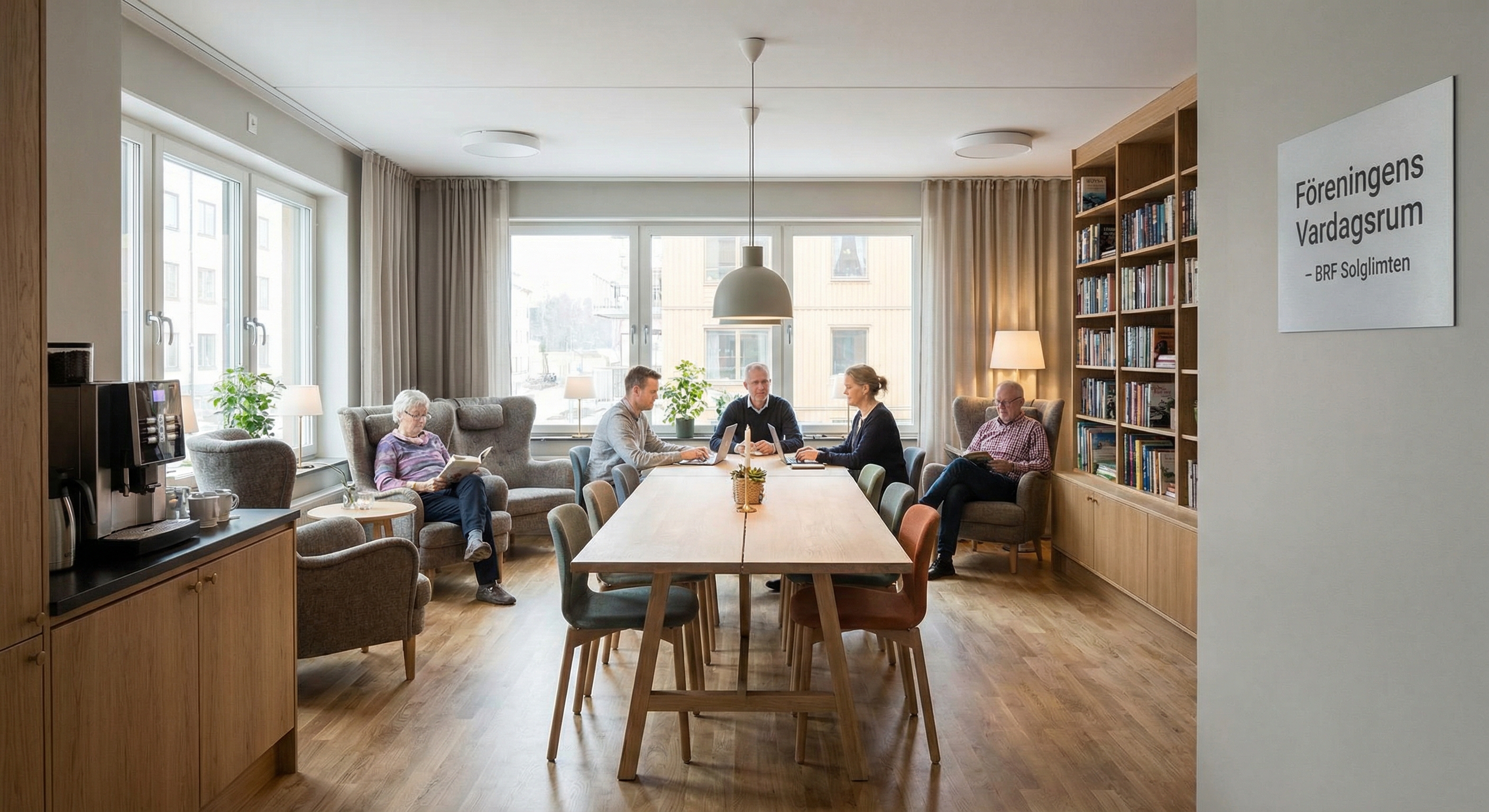
The value of a condominium is determined by more factors than location and floor plan. How it looks and feels to live in the property, including the parts you don't own but use every day, affects how attractive your apartment is to a potential buyer.
Staircases, entrances, laundry rooms, common lounges and bike rooms are areas that most condominium associations treat as operational issues, not as design issues. It's a mistake that costs them in property value.
Why common areas affect the value of individual apartments
A potential buyer attending a viewing forms an opinion of the property in the seconds they walk from the entrance gate to the apartment door. What they see along the way influences how they evaluate what they then encounter inside the door.
A well-maintained, well-designed entrance and a bright stairwell communicate that the association takes its property seriously. It is a positive signal that enhances the apartment. An entrance with broken lighting, worn walls and an old-fashioned style communicates the opposite. It raises questions about what else is not being maintained.
It's not a marginal effect. Brokers notice it in bids. Buyers react to it.
The entrance and the gate – the most important area
The entrance is the area most used by all residents and visible to all visitors. It is naturally the area that should be prioritized if a board chooses to invest in a single common space.
A well-thought-out entrance communicates security, welcome and care for the property. It requires the right lighting, a flooring material that looks good and lasts, walls that are well-treated and a clear address and mailbox cooling. It shouldn't be luxury. It should be thoughtful.
Intercom systems, locking systems and apartment signs are technical requirements that are also design elements. They should fit correctly, look well thought out and function intuitively.
The stairwell as an experience
The stairwell is one of the most visited areas in a property but is rarely designed as an experience. It doesn't have to be dramatic. But the lighting, the surface treatment of the walls and details like handrails and doors all communicate how the association thinks about their property.
Poor lighting in a stairwell creates insecurity. Good lighting with smart control, such as motion detectors that dim when there is little traffic and full light when there is movement, is energy efficient and creates a professional impression.
Shared lounge and meeting room
More and more newly built condominiums include a common lounge, a room for social gatherings, for worker-resident flexibility or for association meetings. It's a strong value proposition if it's well thought out. It's wasted square footage if it's not.
A lounge that is well furnished, well lit and actually used by the residents creates a sense of community and tangible added value to the property. A lounge with four chairs and a plastic table does not. We design shared lounges that are actually used.
The laundry room – the area no one thinks about in terms of design
The laundry room is probably the area in a property where design has the lowest priority and the greatest opportunity for improvement, relatively speaking. A laundry room with good lighting, clear book systems, clean work surfaces and an aesthetic impression that signals that it is cared for is perceived as dramatically more user-friendly than one that technically does the same job but looks neglected.
It is a small investment with a direct effect on how residents experience the property.
How a board should rethink design investments
Common areas are funded by the association, and priorities must be weighed against property maintenance and finances. But there is a way to calculate: how much does a well-thought-out entrance and well-maintained common areas increase the value of an average apartment in the property? In many cases, the answer is more than the investment costs, seen over the time horizon most boards plan.
It's not a cost. It's an investment in the property's attractiveness.
Are you part of a housing association board that is considering investing in common areas, or are you a property owner who wants to understand what design can add?
Fill out the form below with your name, email address, and a message about your property. We will get back to you.