
Blog, Conversation
Conversation with Ergent Durici: What Architects Miss When Designing Restaurants
Subscribe
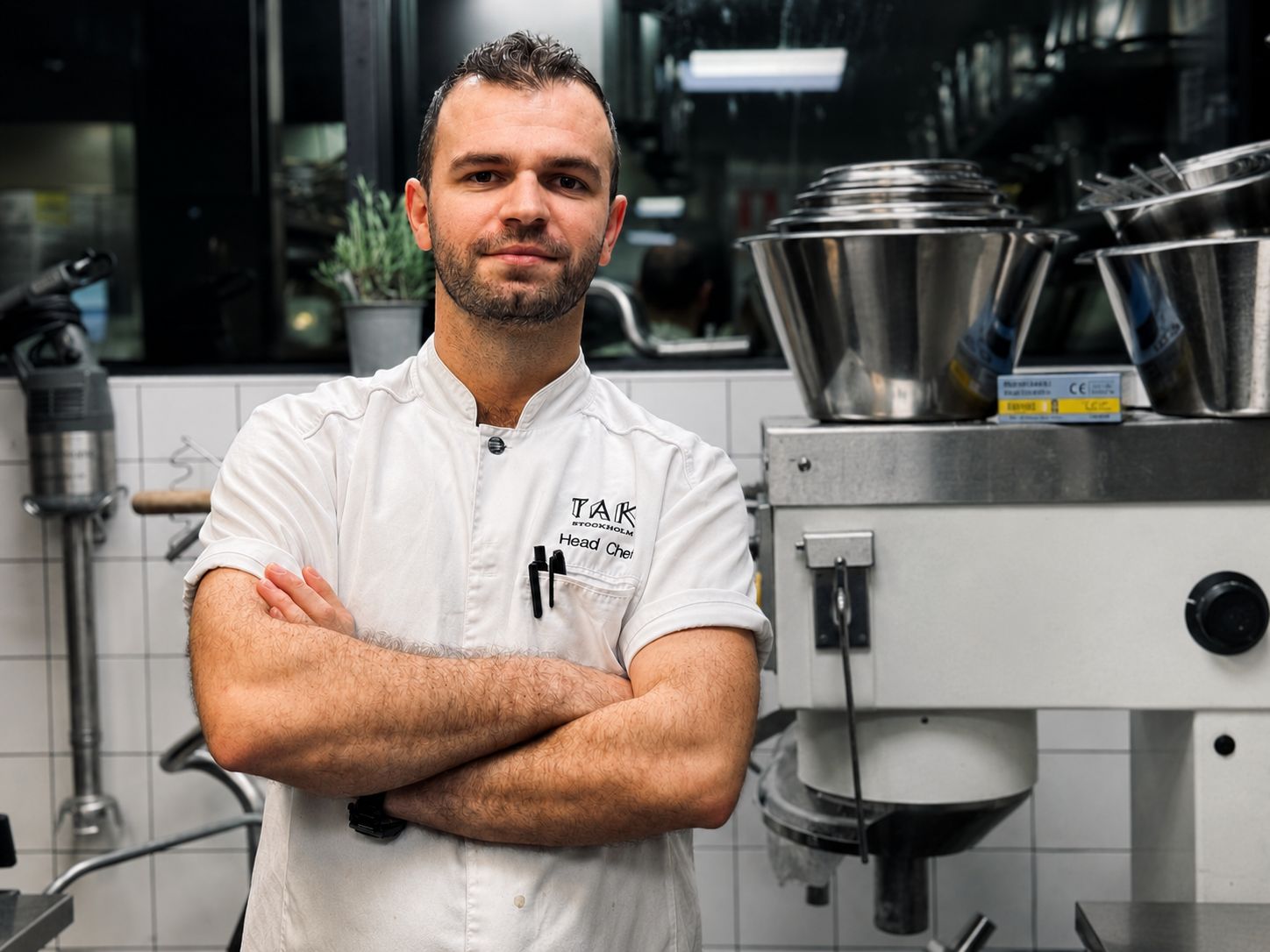
Ergent Durici has been managing kitchens in Stockholm for over ten years. Today he is Head Chef at NENI Stockholm. We sat down with him to talk about what is rarely discussed between chefs and architects: how a space affects the food, the staff and the guest.
The first mistake is made on the floor plan
The most common mistake I see is that the kitchen is designed without asking the chef. The architect places the kitchen where it fits, not where it works best. The pass is too far from the hot section. The counter blocks the service entrance. The cold room is in the wrong corner. The storage room requires you to leave the kitchen to pick up goods in the middle of the service.
Every step that staff need to take unnecessarily costs time. On a busy night, when the kitchen sends 200 plates, every unnecessary step is multiplied. It doesn't just get slower. It becomes more stressful. And stress shows in the food, in the service and in the guest experience.
The tragedy is that most flow problems can be solved on the floor plan. But only if someone asks the person who will be in the kitchen before the decisions are made.
The pass is the heart of the restaurant
The pass is where the food leaves the kitchen and meets the guest. It is the most critical point in the entire restaurant. If the pass doesn't work, nothing works.
I've worked in kitchens where the shift was set up so that waiters had to cross each other's paths to get plates. The result: collisions, spilled food, delays and frustration. In another kitchen, the pass sat opposite the counter, so the clean china handling was mixed with the dirty. No guest sees that. But it affects pace, hygiene and staff morale.
A good pass should be wide enough for the cook to set up plates without stress. It should be close enough to the hot section for the food not to lose temperature. And it should be positioned so that servers have a clear direction into the dining room without blocking each other's flow.
Sound in the dining room affects the kitchen
This is rarely talked about. But when the dining room is too loud, when guests raise their voices to be heard, it creates a cascade that reaches into the kitchen. Waiters don't hear orders correctly. They ask again. It takes time. The chef repeats. Frustration builds.
In a restaurant kitchen, we communicate constantly. Every dish sent requires coordination. If the acoustics of the dining room mean that staff can't hear each other in the doorway between the kitchen and the dining room, the whole service takes longer. This is not visible in a rendering. It shows up in the waiting time on the guest's plate.
A restaurant that invests in acoustics invests in service quality. It is not an aesthetic issue. It is an operational issue.
Lighting determines how food is perceived
I've cooked the same dish in two restaurants with completely different lighting. In one, the plate looked amazing. In the other, it looked flat and boring. Same dish. Same presentation. The difference was the light.
Warm lighting with the right direction enhances texture, color and depth. Cold lighting or flat light makes meat look gray, sauce look glossy and vegetables lose their vibrancy. The guest takes a photo, posts it on Instagram, and that photo determines whether the next guest books or scrolls on.
Architects should test the lighting with real plates before deciding. Not with renderings. With real food on real plates in real light.
The menu should influence the layout of the kitchen
A ten-course menu requires a different kitchen than a thirty-course menu. A menu based on grilled meats needs a ventilation system that handles smoke and grease differently than a menu based on cold cuts and salad bowls. A brunch restaurant needs a completely different flow logic than a fine dining restaurant that serves a single sitting per evening.
This means that the kitchen design cannot be generic. It must answer what to cook, how to cook it, in what volume and at what rate. If the architect designs the kitchen before the menu is ready, you design a room without knowing what it will do.
What I wish architects asked
If I had to sit with an architect before they started designing a restaurant kitchen, I would want them to ask: How many dishes per service? How many people in the kitchen at the same time? Where do you need to stand during service? What do you need to see from the passes? Where do the cold storage, fridge and freezer need to be in relation to the workspace? How do you handle dishes under high pressure? Where do staff take breaks?
None of these issues are about aesthetics. They are all about making the restaurant work. A restaurant that works makes better food, provides better service, gets better reviews and retains staff longer. It doesn't start with a nice wall. It starts with someone asking the chef.
EOLOS DESIGN LAB designs restaurants, bars and hotels in Stockholm. We work with chefs, operators and owners to ensure the design works in operation, not just in pictures. If you're planning a restaurant in Stockholm and want to have a conversation about how the kitchen, dining room, and branding fit together, use the form below.