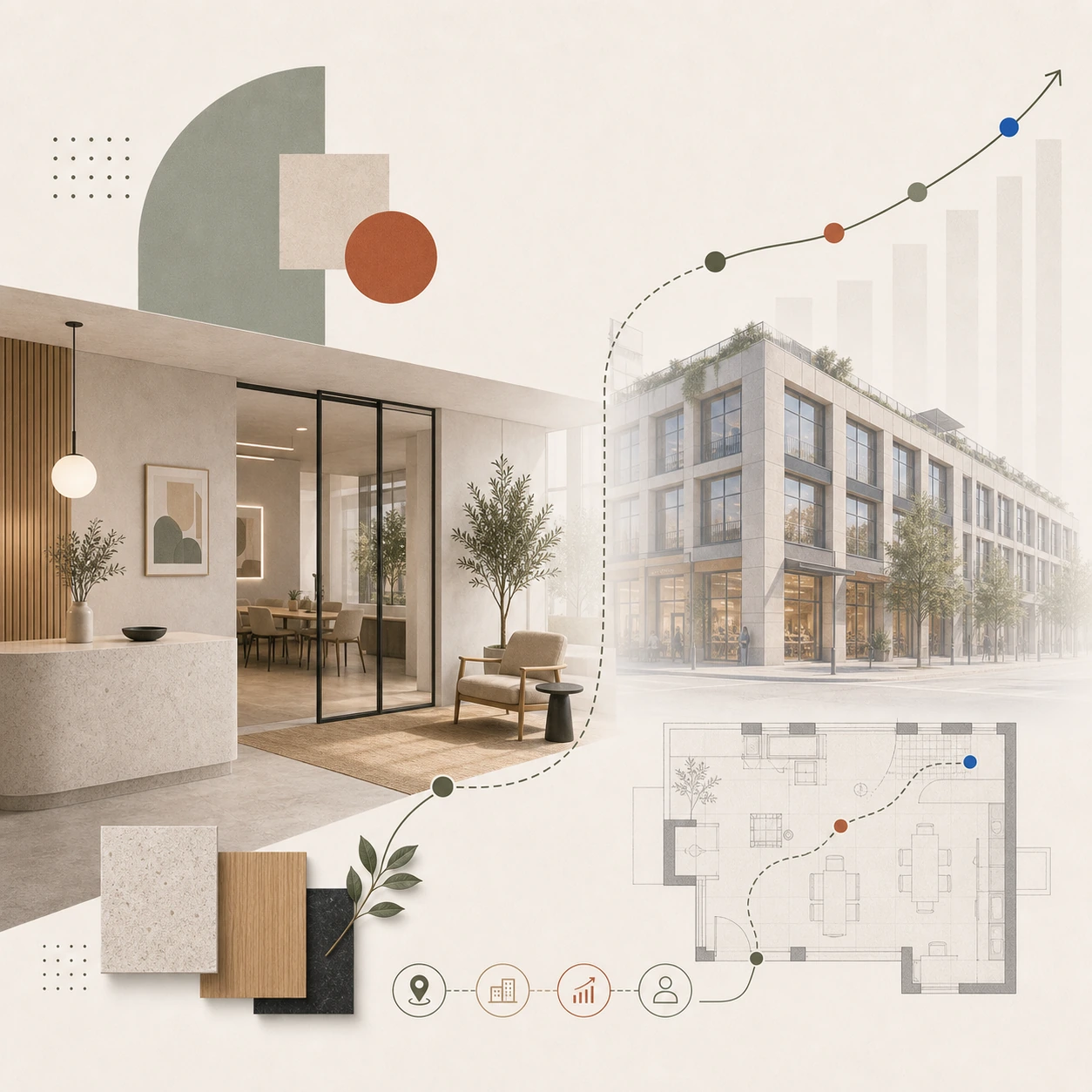
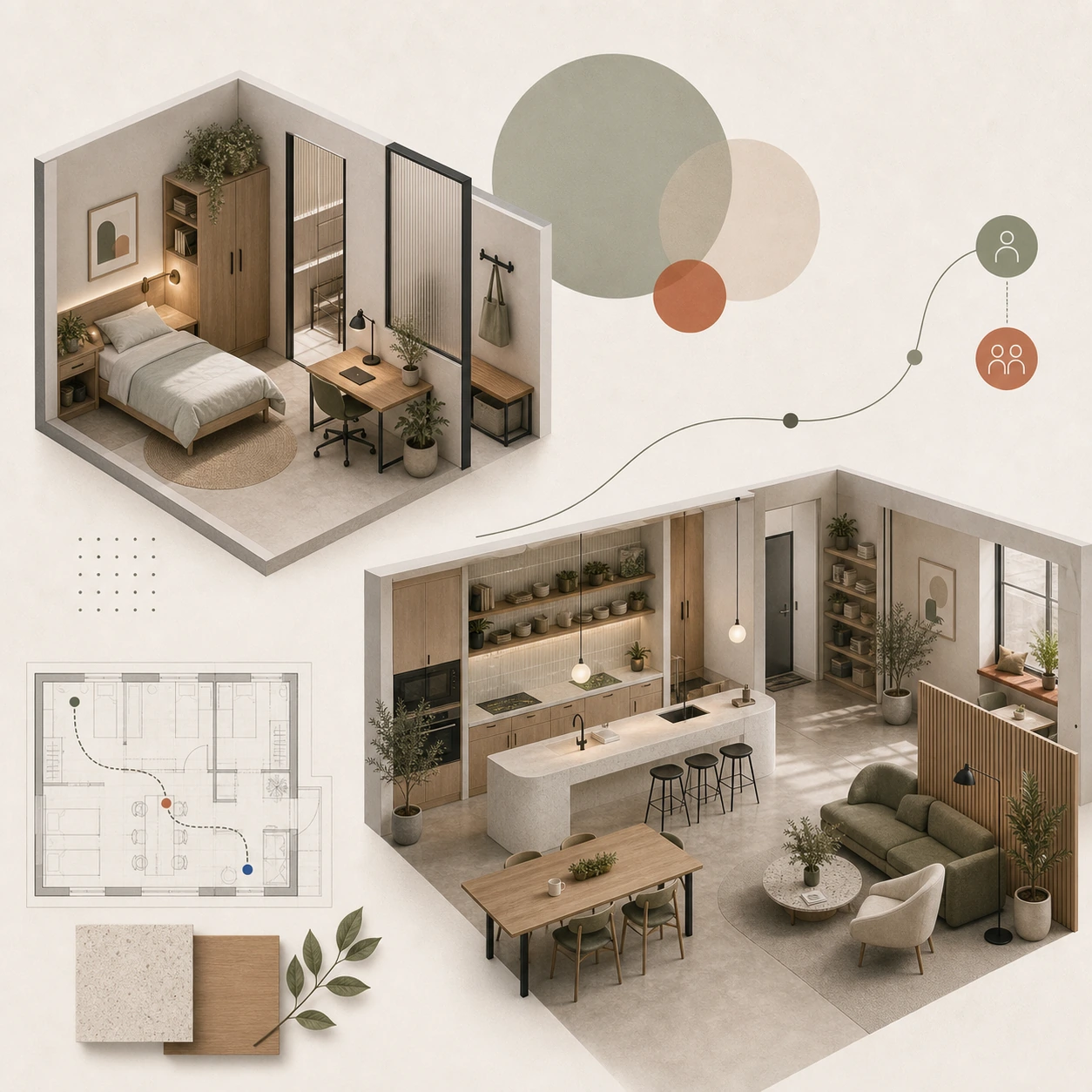
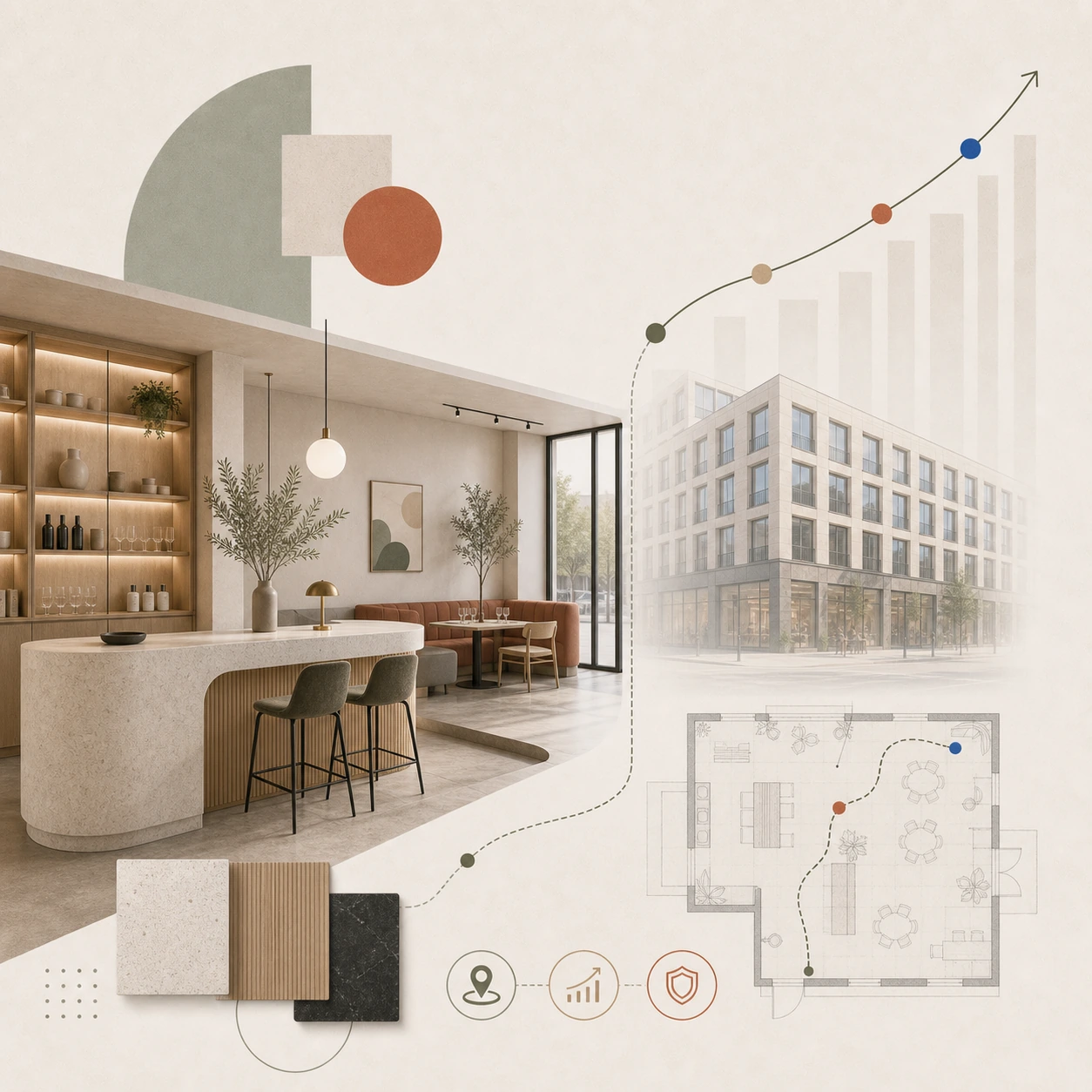
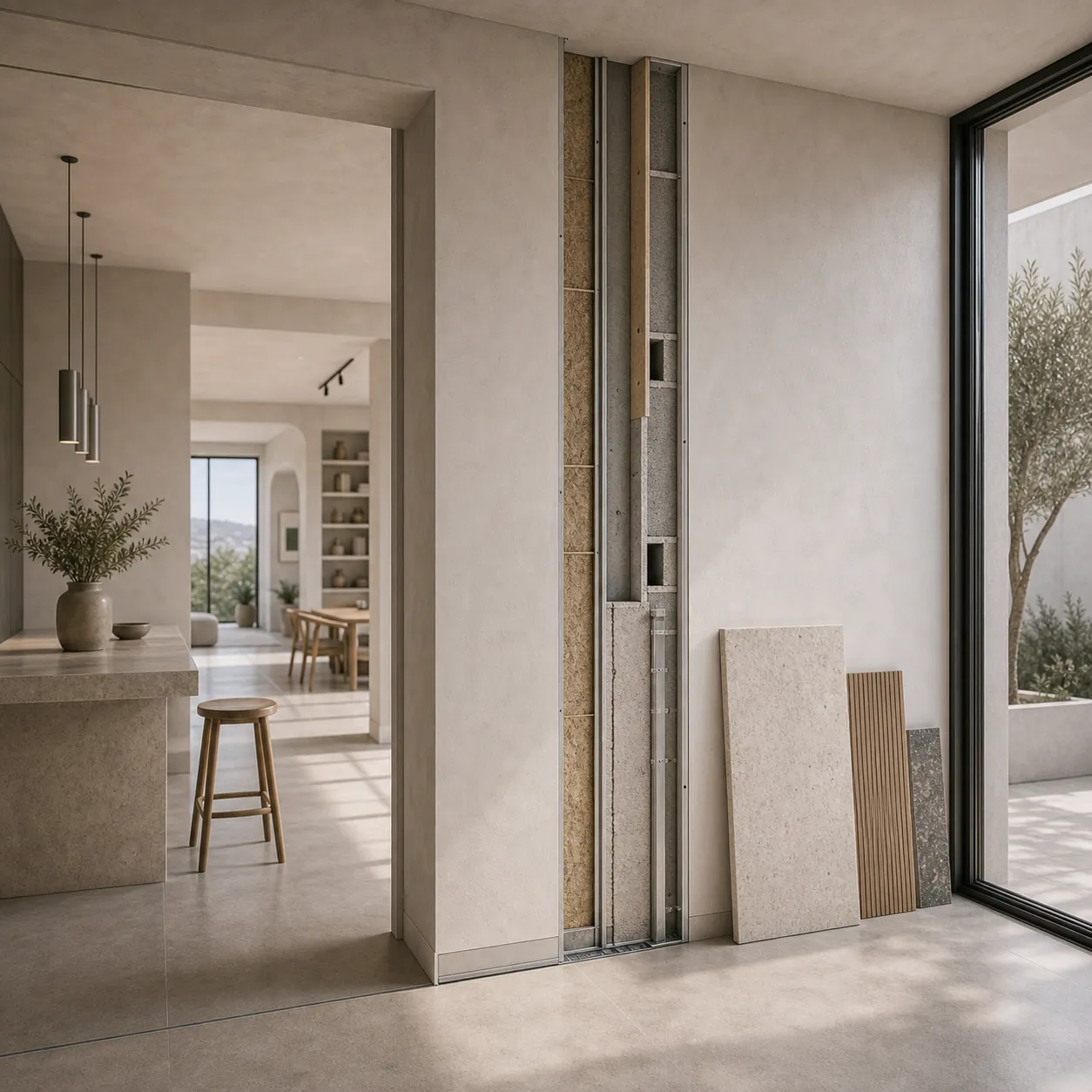
Inom bostadsmarknaden är homestaging ett välkänt begrepp. De flesta som säljer en bostadsrätt förstår att det lönar sig att göra lägenheten presentabel innan fotografering och visning.
I det kommersiella segmentet är samma logik underutnyttjad. Många kommersiella fastigheter och lokaler säljs i ett skick som försvårar köparens möjlighet att föreställa sig potentialen. Det håller ner intresset, det håller ner buden och det förlänger försäljningsprocessen.
Det är onödigt, och det är kostsamt.
Varför kommersiella fastigheter säljer under sin potential
En kommersiell lokal som visas tom och sliten kommunicerar problem. Köparen ser det de ser, inte det som kan bli. Och det de ser styr vad de är beredda att betala.
Det är mänskligt. Vi har svårt att abstrahera bort det fysiska intrycket och ersätta det med en vision. Även erfarna kommersiella köpare och investerare påverkas av det de möter vid en visning. En lokal som ser ut att vara i bra skick, som är välpresenterad och som kommunicerar potential, väcker ett annat typ av intresse än en som ser ut att ha sett bättre dagar.
Det är inte en fråga om att lura köparen. Det är en fråga om att kommunicera fastighetens faktiska värde, inte dess nuvarande skick.
Vad staging av en kommersiell lokal faktiskt innebär
Staging av en kommersiell fastighet är inte detsamma som homestaging för en bostadsrätt. Det handlar sällan om möbler och kuddar.
Det handlar om att identifiera och åtgärda de element som signalerar eftersatt underhåll, ålderdomlighet eller dålig funktion. Det handlar om att lyfta fram lokalens styrkor: volym, ljus, läge, planlösning, konstruktionskvalitet.
I praktiken kan det innebära en selektiv ommålning och ytskiktsuppdatering i de utrymmen som syns mest. Belysning som lyfter rummet och skapar rätt stämning vid fotografering och visning. Borttagning av det som förtar intrycket: gammal utrustning, slitna detaljer, visuellt brus.
Det behöver inte vara en total renovering. Det behöver vara en genomtänkt insats som riktar sig mot just det en köpare ser, och vad de känner, under en visning.
Fotografering och digital presentation
Majoriteten av kommersiella fastighetsaffärer börjar digitalt. En köpare eller investerare ser objektet på en mäklarsida eller i ett prospekt, lång innan de sätter foten i lokalen.
Det innebär att fotografierna är avgörande. Inte bara som dokumentation, utan som ett marknadsföringsmedium.
En lokal som fotograferas med rätt ljussättning, rätt städning, rätt vinkel och rätt presentation ser helt annorlunda ut än en lokal fotograferad "som den är." Prisskillnaden på ett objekt med professionell fotografering kontra en som fotograferats snabbt med en mobiltelefon kan vara dramatisk, inte för att objektet är ett annat, utan för att upplevelsen av det är.
Staging och fotografi hör ihop. Insatsen är meningslös om den inte dokumenteras ordentligt.
Tomma lokaler kontra möblerade: vilket är bäst inför visning?
Det finns en debatt om detta i branschen. Ska man visa en tom lokal för att låta köparen se ytan renodlat, eller ska man möblera för att ge ett intryck av hur lokalen fungerar?
Svaret beror på lokalens typ och skick, men generellt: en tom lokal kräver att köparen har en stark spatial fantasi och ett välfungerande inre rum i huvudet. Det är en förmåga som varierar.
En lokal med strategisk möblering eller en enkel, genomtänkt presentation hjälper köparen att förstå hur ytan faktiskt fungerar. Det minskar osäkerheten, och osäkerhet är ett hinder för starka bud.
Vi arbetar med båda scenarierna. Men vi ser konsekvent att genomtänkta presentationer leder till snabbare processer och starkare prisbild.
Vilka fastigheter tjänar mest på staging inför försäljning?
Inte alla kommersiella fastigheter har samma behov. Staginginsatsens värde varierar med objektets typ och köpargrupp.
Butiks- och restauranglokaler tjänar ofta mycket på staging, för att köparen i det segmentet nästan alltid är en operatör som aktivt försöker föreställa sig sin verksamhet i lokalen. Ju enklare du gör den visualiseringen, desto starkare intresse.
Kontorslokaler av premiumkaraktär, exempelvis i attraktiva lägen i Stockholm eller andra storstäder, tjänar på staging när de konkurrerar med nyproduktion. En välpresenterad second hand-lokal kan slå en nyare lokal om den kommunicerar kvalitet och karaktär bättre.
Industri och lager är ett segment där staging spelar mindre roll. Där dominerar funktion och tekniska specifikationer.
Vi gör alltid en initial bedömning av var insatsen ger störst utdelning relativt kostnaden.
Tidsplan och investering: vad du bör räkna med
En staging-insats för en kommersiell lokal kan ta allt från några dagar till ett par veckor, beroende på lokalens skick och scope.
Kostnaden är en bråkdel av vad en genomgripande renovering kostar. Den ska också vägas mot det alternativa scenariot: ett objekt som tar längre tid att sälja, som kräver fler sänkta prisförväntningar och som slutligen säljs till ett pris under vad det hade kunnat ta.
I de flesta fall är staging en av de bästa investeringarna en fastighetsägare kan göra inför en försäljning. Det gäller framför allt i ett marknadsläge där objekt konkurrerar och där det som sticker ut vinner.
Hur vi arbetar med staging och försäljningspresentation
Vi börjar med en genomgång av lokalen och en diskussion om säljtidsplan, köpargrupp och prismål. Utifrån det identifierar vi de insatser som ger störst effekt, och vi tar fram en plan.
Vi koordinerar genomförandet och ser till att lokalen är redo för fotografering och visning inom överenskommen tidsram.
Ska du sälja en kommersiell lokal eller fastighet och vill förstå vad rätt presentation kan ge tillbaka?
Planerar ni ett bostads-, fastighets- eller utvecklingsprojekt? Berätta om projektet via kontaktalternativen nedan.
Homestaging is a well-known concept in the housing market. Most people who sell a condominium understand that it pays to make the apartment presentable before taking photos and showing it.
In the commercial segment, the same logic is underutilized. Many commercial properties and premises are sold in a condition that makes it difficult for the buyer to imagine the potential. This keeps interest down, it keeps bids down and it prolongs the sales process.
It's unnecessary, and it's costly.
Why commercial properties sell below their potential
A commercial space that appears empty and worn communicates problems. Buyers see what they see, not what could be. And what they see determines what they are willing to pay.
It's human. We have a hard time abstracting away the physical impression and replacing it with a vision. Even experienced commercial buyers and investors are influenced by what they encounter during a viewing. A space that appears to be in good condition, that is well presented and that communicates potential, arouses a different kind of interest than one that looks like it has seen better days.
It's not a question of deceiving the buyer. It's a question of communicating the actual value of the property, not its current condition.
What staging a commercial space actually means
Staging a commercial property is not the same as home staging for a condominium. It is rarely about furniture and pillows.
It's about identifying and addressing elements that signal neglected maintenance, old age or poor function. It's about highlighting the strengths of the premises: volume, light, location, floor plan, construction quality.
In practice, this can mean selective repainting and surface layer updating in the most visible areas. Lighting that lifts the room and creates the right atmosphere for photography and viewing. Removal of what detracts from the impression: old equipment, worn details, visual noise.
It doesn't have to be a total renovation. It needs to be a well-thought-out effort that targets exactly what a buyer sees, and what they feel, during a viewing.
Photography and digital presentation
The majority of commercial real estate transactions begin digitally. A buyer or investor sees the property on a real estate website or in a prospectus, long before they set foot in the premises.
This means that photographs are crucial. Not only as documentation, but as a marketing medium.
A venue photographed with the right lighting, the right cleaning, the right angle, and the right presentation looks completely different than a venue photographed “as is.” The price difference between an object photographed professionally versus one photographed quickly with a cell phone can be dramatic, not because the object is different, but because the experience of it is.
Staging and photography go hand in hand. The effort is meaningless if it is not properly documented.
Empty premises versus furnished: which is best for viewing?
There is a debate about this in the industry. Should you show an empty space to let the buyer see the space purely, or should you furnish it to give an impression of how the space works?
The answer depends on the type and condition of the premises, but generally speaking: an empty premises requires the buyer to have a strong spatial imagination and a well-functioning interior space in their head. It is an ability that varies.
A space with strategic furnishings or a simple, well-thought-out presentation helps the buyer understand how the space actually works. It reduces uncertainty, and uncertainty is a barrier to strong bids.
We work with both scenarios. But we consistently see that well-thought-out presentations lead to faster processes and stronger pricing.
Which properties benefit the most from staging before sale?
Not all commercial properties have the same needs. The value of the staging effort varies depending on the type of property and buyer group.
Retail and restaurant spaces often benefit greatly from staging, because the buyer in that segment is almost always an operator who is actively trying to imagine their business in the space. The simpler you make that visualization, the stronger the interest.
Premium office space, for example in attractive locations in Stockholm or other major cities, benefits from staging when competing with new construction. A well-presented second-hand space can beat a newer space if it communicates quality and character better.
Industry and warehouses are a segment where staging plays less of a role. Function and technical specifications dominate.
We always make an initial assessment of where the effort will yield the greatest return relative to the cost.
Timeline and investment: what you should expect
A staging effort for a commercial space can take anywhere from a few days to a couple of weeks, depending on the condition and scope of the space.
The cost is a fraction of what a comprehensive renovation would cost. It should also be weighed against the alternative scenario: a property that takes longer to sell, requires more lowered price expectations, and is ultimately sold for a price below what it could have fetched.
In most cases, staging is one of the best investments a property owner can make before a sale. This is especially true in a market situation where properties compete and where what stands out wins.
How we work with staging and sales presentation
We start with a review of the premises and a discussion about the sales schedule, buyer group and price target. From there, we identify the initiatives that will have the greatest impact, and we develop a plan.
We coordinate the implementation and ensure that the venue is ready for photography and viewing within the agreed timeframe.
Are you going to sell a commercial space or property and want to understand what the right presentation can give back?
Planning a residential, property or development project? Tell us about it using the contact options below.